
Celebrating a shared heritage:
Bringing Communities Closer Together
Empowering the Trail Guardians
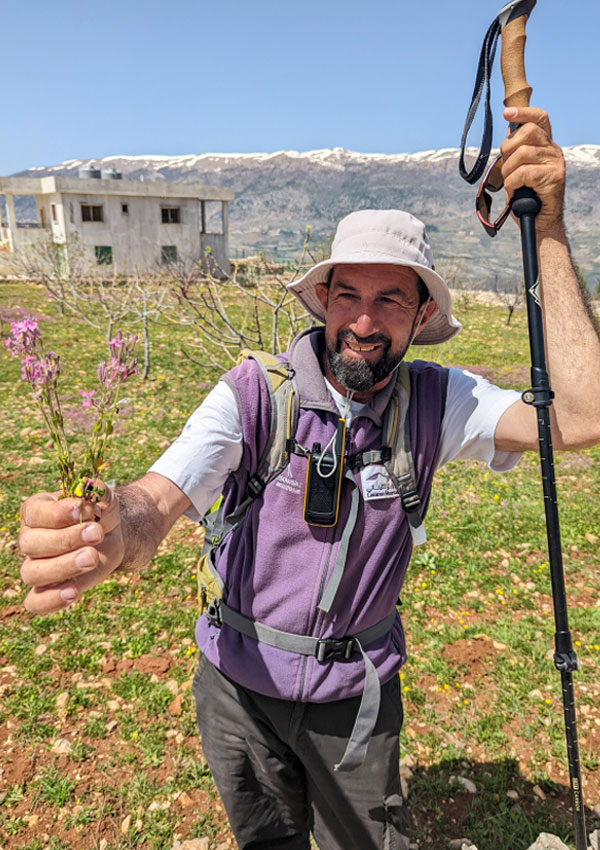
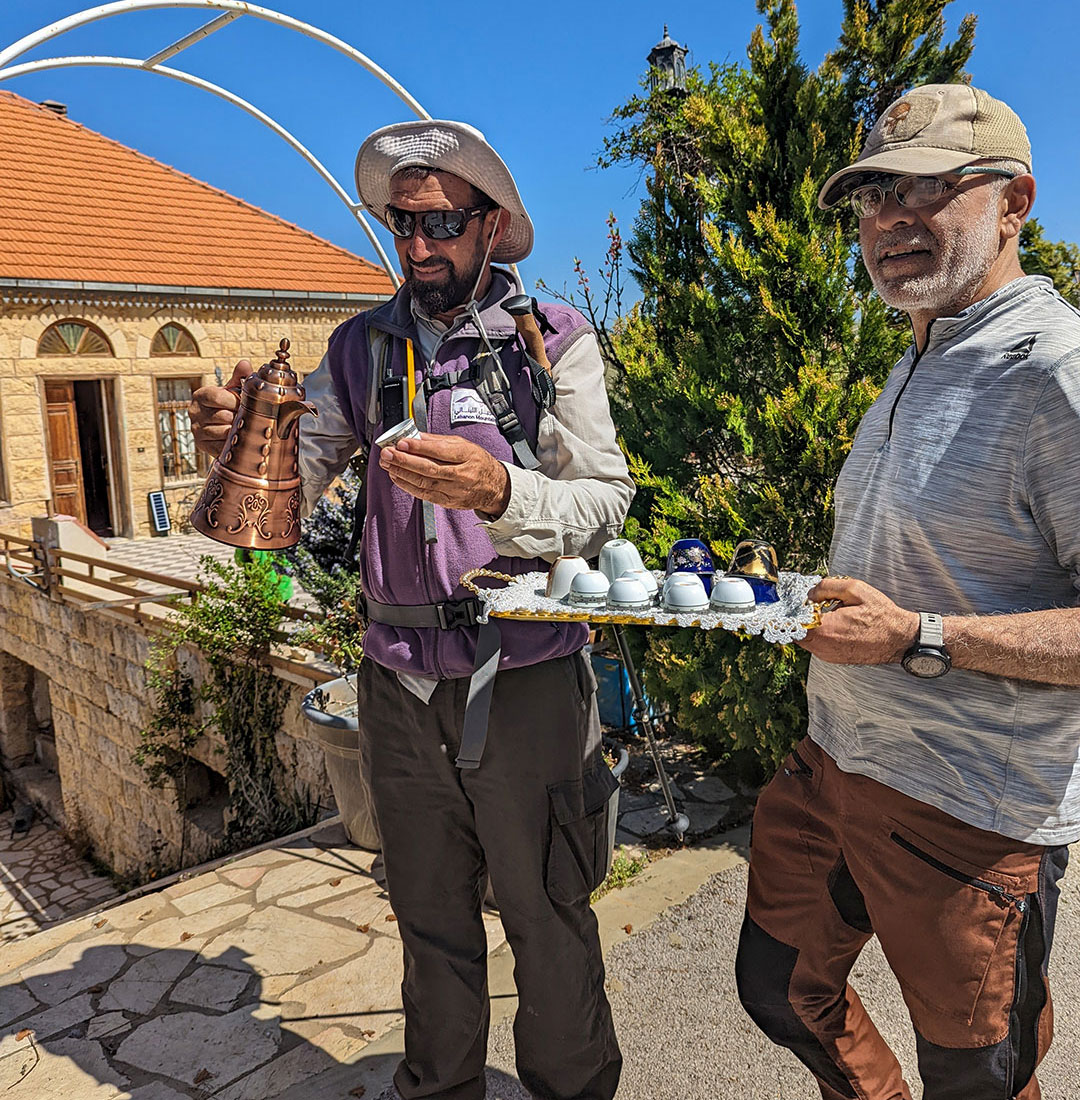
As mountain hiking grows in popularity, the role of the local guide has become essential in providing a high-quality, professional experience that benefits both the traveler and the village. Guides are more than pathfinders; they are educators and ambassadors of the land and act as stewards of nature conservation.
The LMT Association routinely trains new local guides to ensure that mountain exploration is safe and sustainable. To meet this demand, we are currently training 35 new local guides.
Building Expertise, Ensuring Excellence
Training programs turn a guide’s passion for the outdoors into a professional career and transforms local enthusiasts into professionals through a diverse curriculum designed to provide a seamless and enriching journey:
- Technical Mastery: Advanced outdoor safety measures and certified basic first aid intervention to ensure peace of mind for every hiker.
- Heritage Interpretation: Deep dives into landscape analysis, flora, fauna, and local agricultural traditions, tailored to the specific heritage of each village.
- Professional Standards: Training in the tourism value chain, responsible tourism ethics, and guiding as a sustainable profession.
- Conservation & History: Specialized knowledge in nature preservation and the historical narratives that define the trail.
The National Reference for Trails
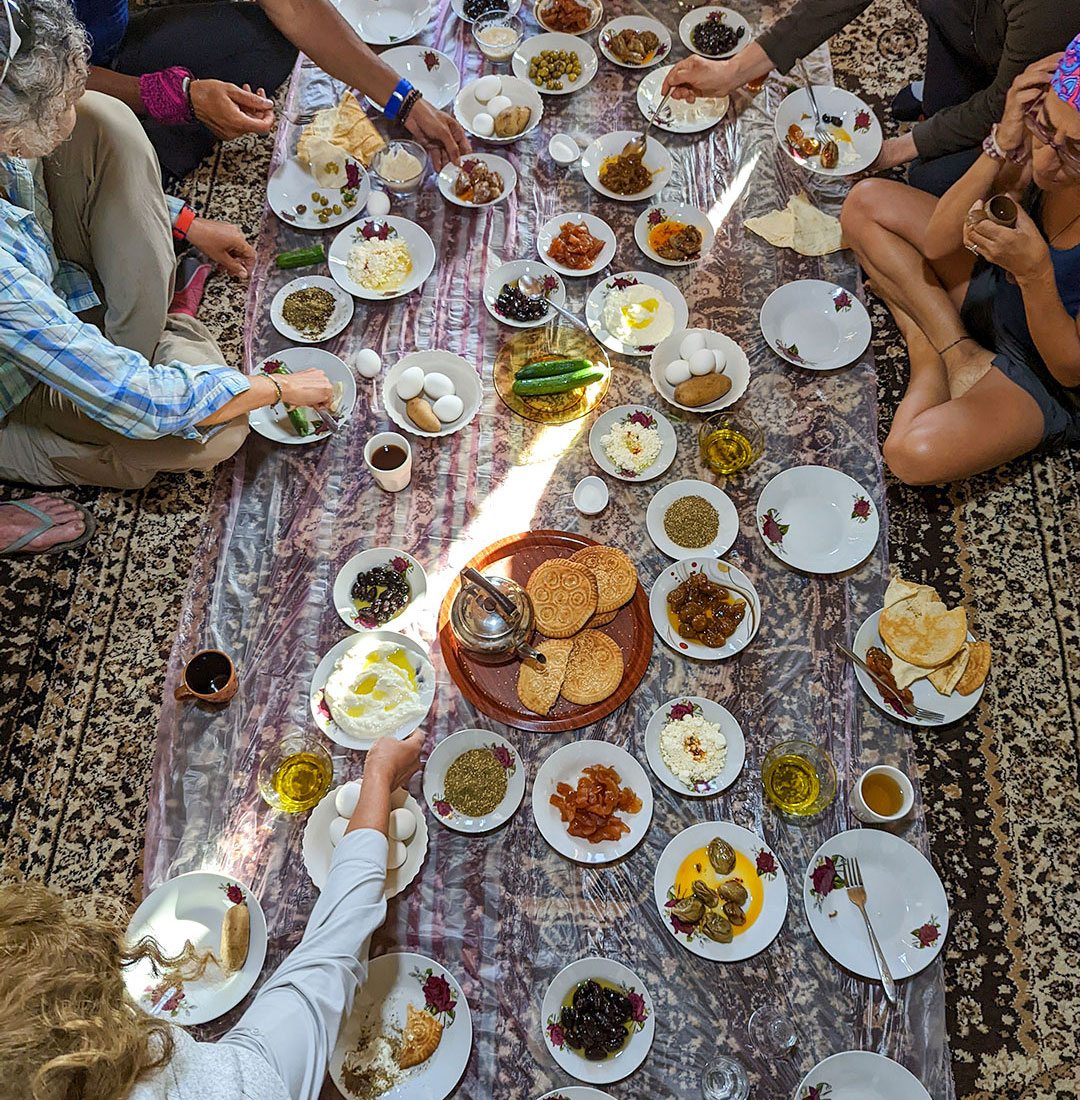
The Lebanon Mountain Trail Association works closely with local guest house owners to strengthen hospitality standards and improve the overall experience for hikers and visitors hiking along the LMT.
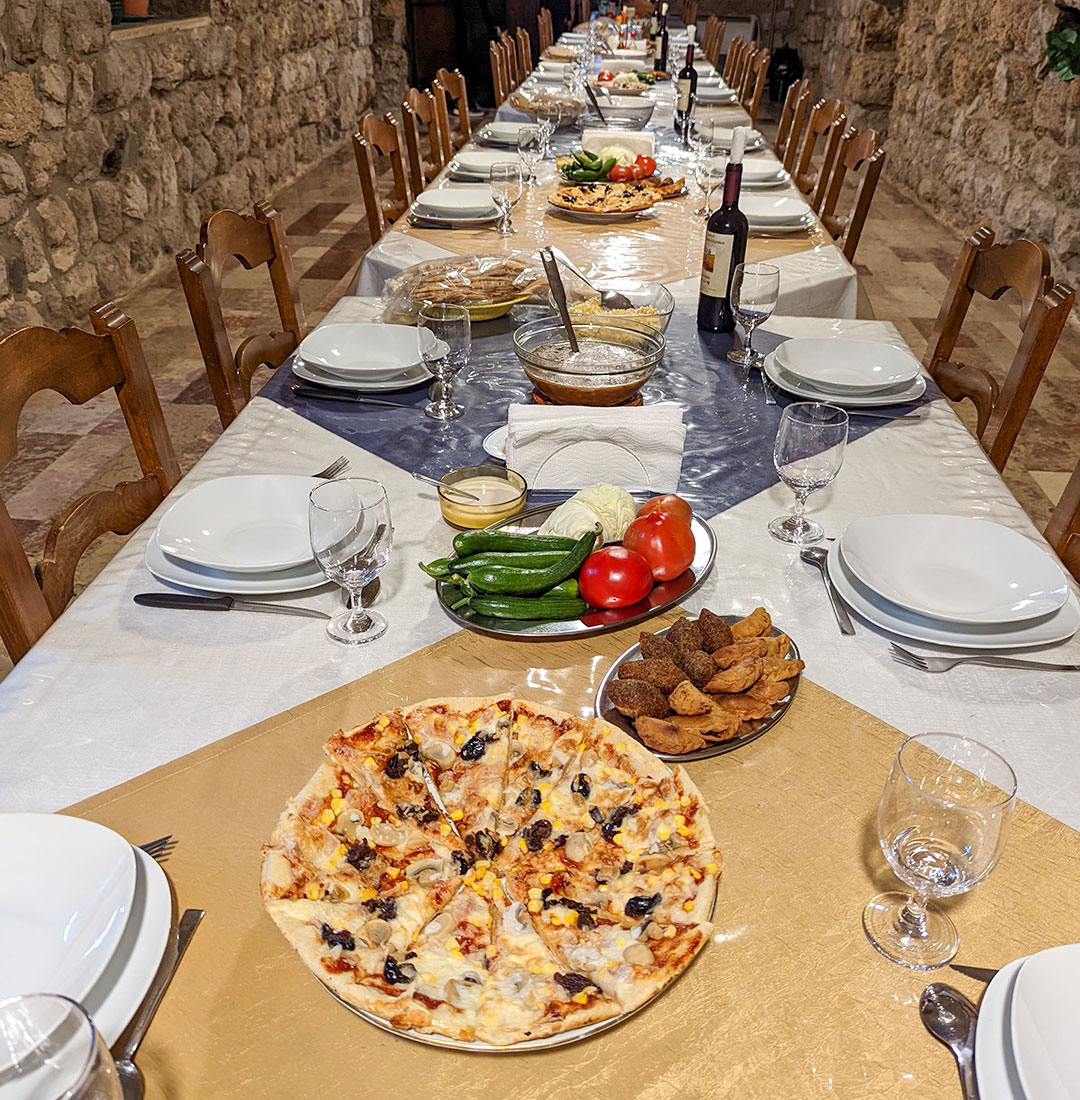
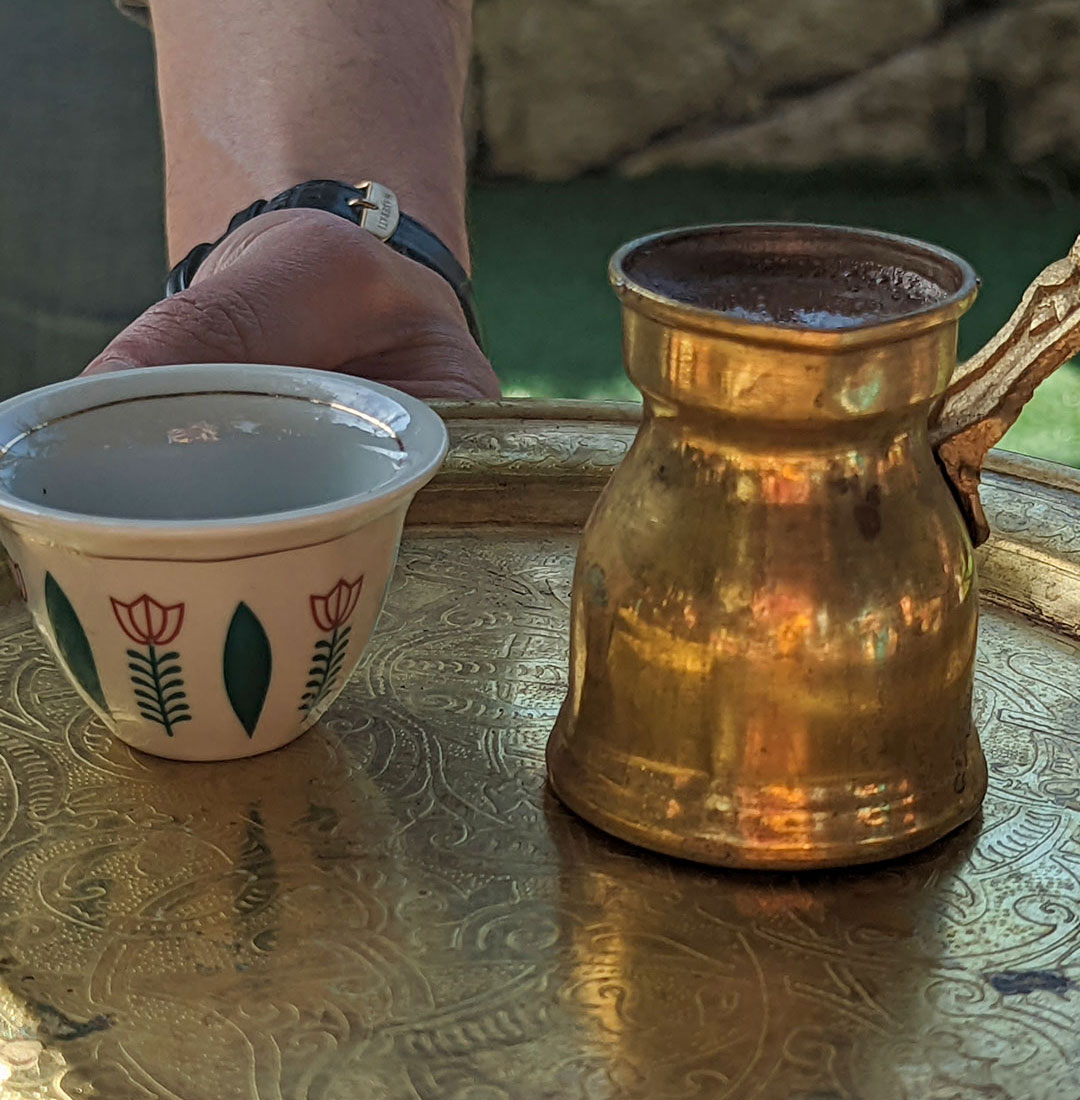
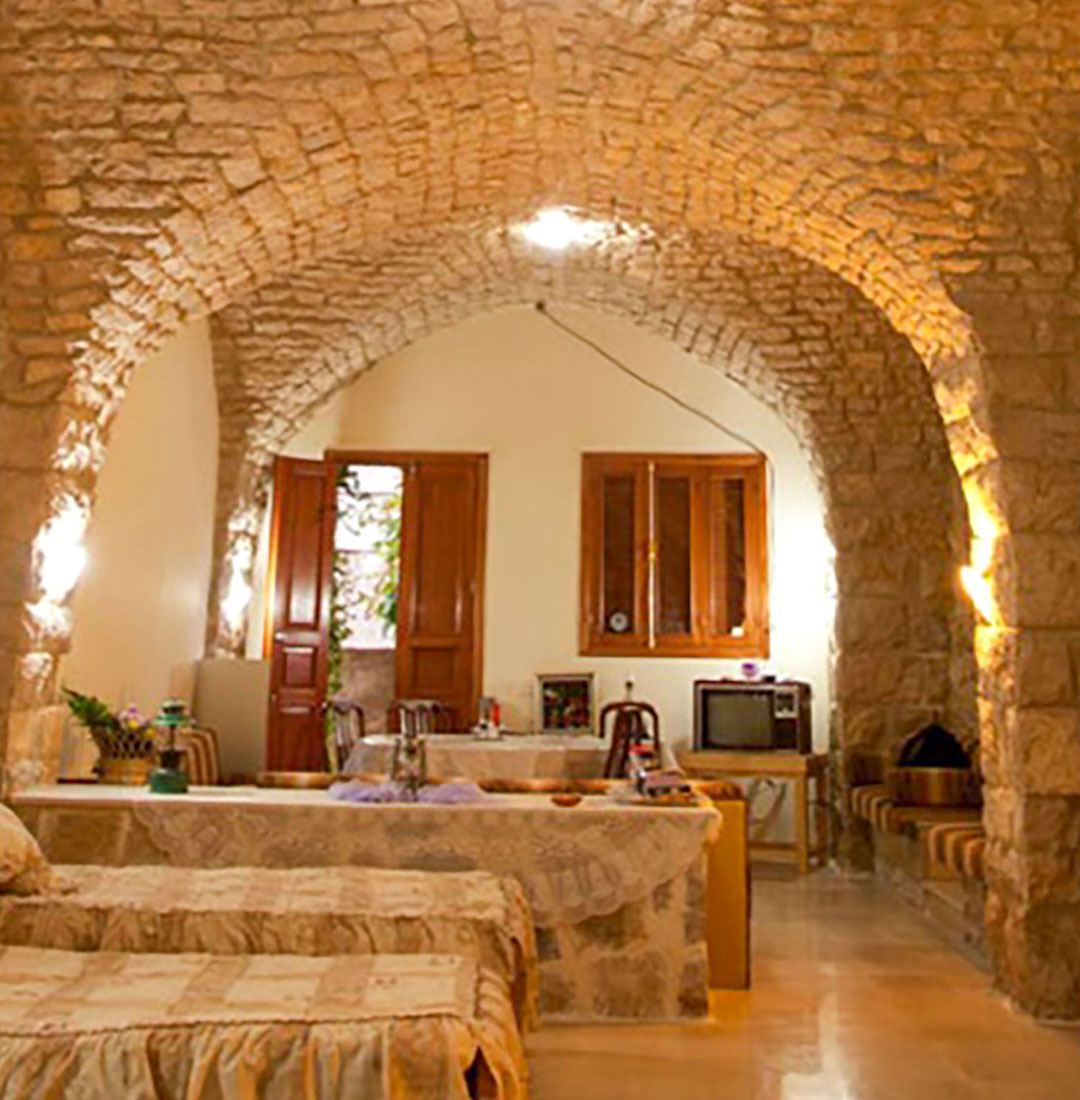
Through dedicated training programs, guest house operators receive guidance on hygiene, cleanliness, maintenance, food safety, customer care, and sustainable hospitality practices. Emphasis is placed on creating welcoming and comfortable environments that reflect the warmth and authenticity of Lebanese rural hospitality.
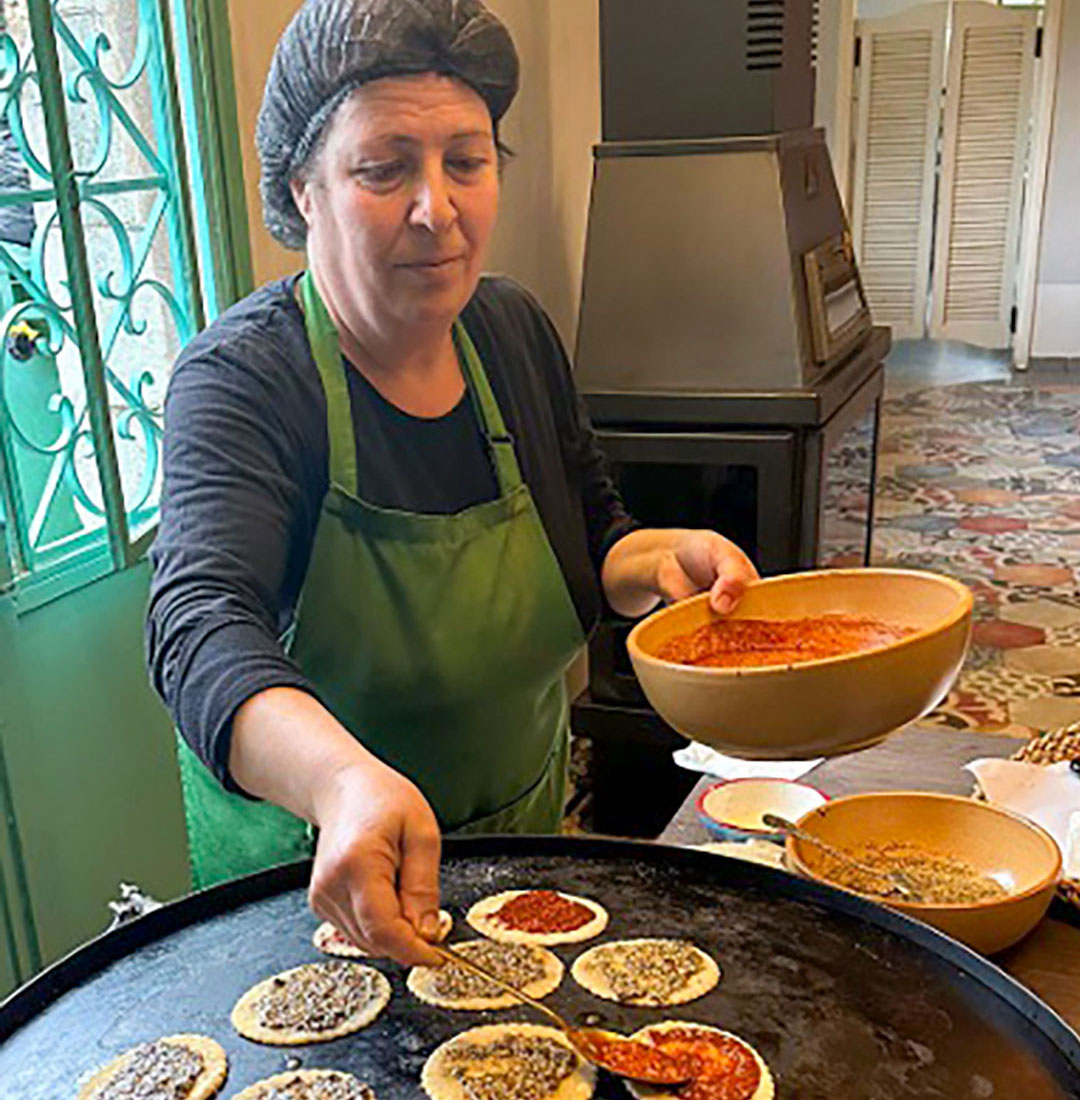
Training also covers practical aspects such as room upkeep, availability of hot water, quality and presentation of local food, waste management, and responsiveness to hikers’ needs. By supporting guest house owners in enhancing their services and facilities, the program helps improve visitor satisfaction while generating sustainable income opportunities for rural families and communities in line with the LMT Association’s mandate.
These efforts contribute to raising the quality and reputation of rural tourism across villages located along the Lebanon Mountain Trail.







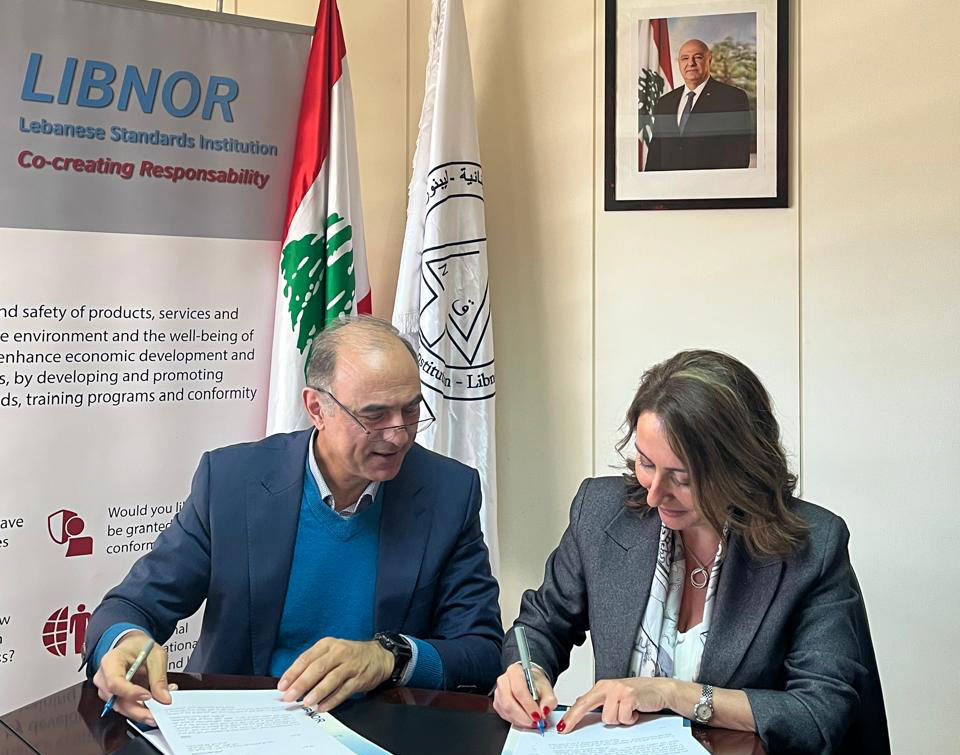
The LMT Association has moved beyond trail management to become the national authority on trail standards and development in Lebanon.
Our 18-year track record serves as a proven model for how long-distance trails can be successfully maintained and integrated into rural landscapes.
Our technical expertise is currently being institutionalized at the highest level.
We are finalizing the official National Trail Standards in collaboration with LIBNOR (The Lebanese Standards Institution). This partnership ensures that the rigorous technical, safety, and environmental specifications developed by the LMTA will serve as the formal benchmark for trail projects across the entire country.
Empowering Rural Communities through Sustainable Livelihoods
Livelihood Improvement
Subscribe here to receive the yearly LMTA magazine and periodic Newsletters.