
Trail Conservation
Stewards of Lebanon’s National Trail
The LMT Association is dedicated to the protection, development, and promotion of the Lebanon Mountain Trail (LMT). Managing a 600 km network is a complex, year-round commitment to environmental conservation and heritage site preservation.
Our work is built on four pillars:
- Protection: Safeguarding the natural and cultural sites that line our path.
- Education: Raising awareness about the vital importance of our ecosystems.
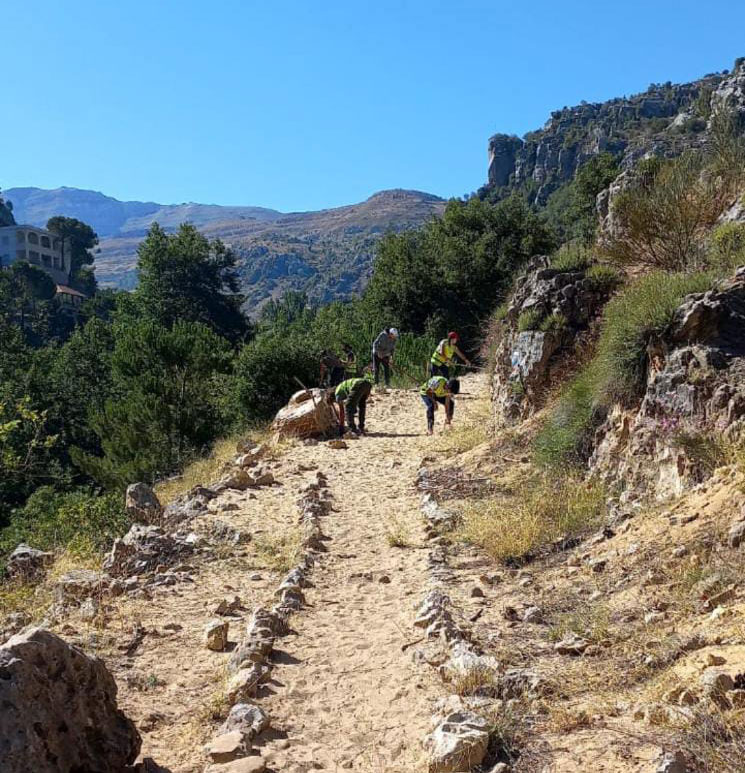
- Maintenance: Ensuring the 600 km system remains safe and accessible through continuous fieldwork.
- Development: Expanding the trail network using sustainable, world-class standards.
The LMT is the national hiking trail for all Lebanese and a major destination to visitors. It is a symbol of a country united, and we are proud to share it with the global trekking community.
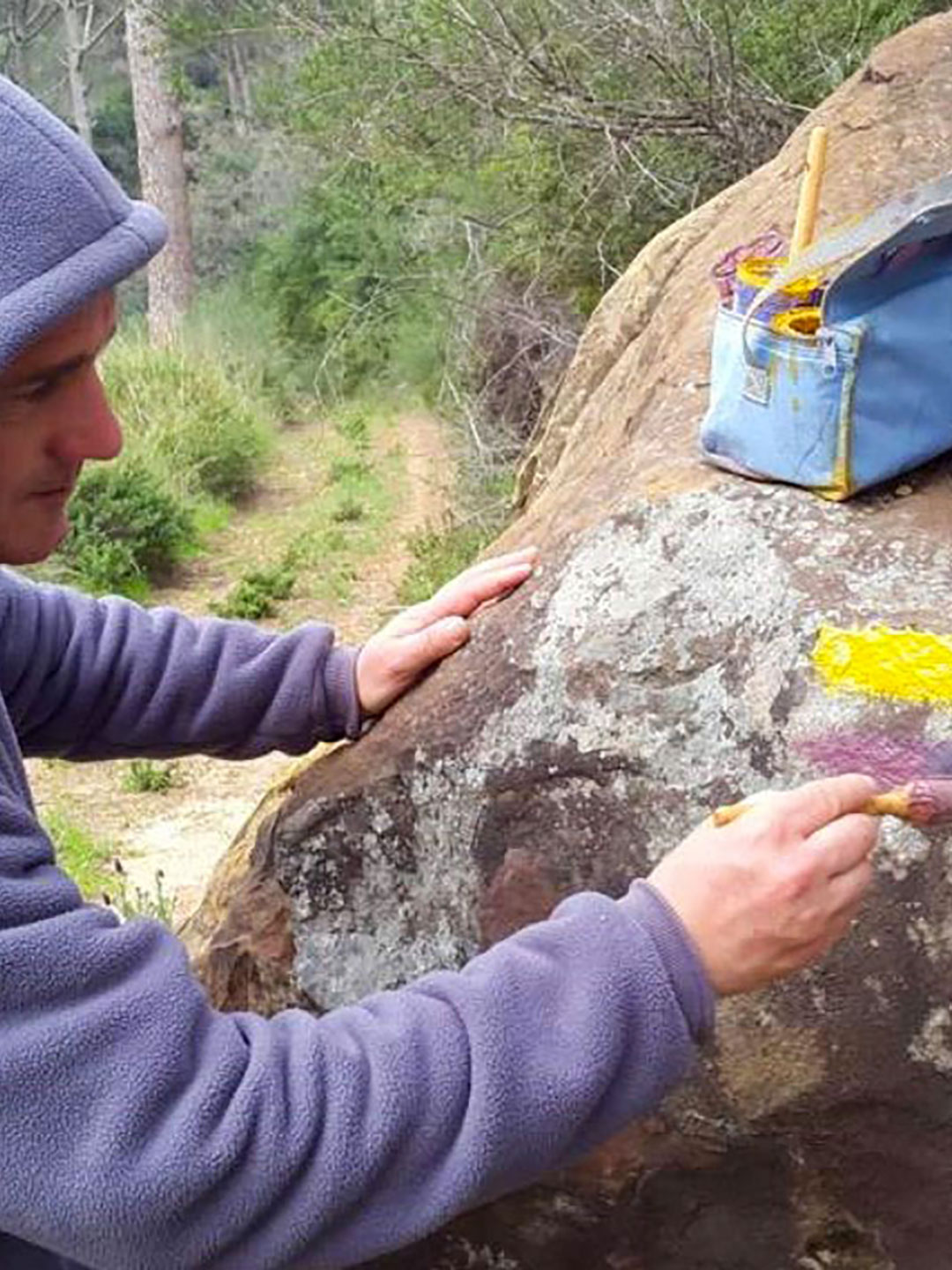
Trail Maintenance - Blazing


Adopt-a-trail-program
1. Objectives
2. Expected Impact
Research
Hiking Trails Economic and Social Impact: The case of the Lebanon Mountain Trail
Economic impact analysis helps measure how hiking trails and nature-based tourism contribute to local and regional economies. Visitor spending on lodging, food, transport, gear, and services generates direct economic benefits, while additional indirect and induced effects support local businesses, jobs, household income, and broader economic activity. Such analysis helps stakeholders assess the value of investments in trails, guide tourism and development policies, support sustainable growth, and promote equitable economic benefits while preserving natural environments and community wellbeing.
A detailed research report has been produced and can be viewed by clicking on the following link:
Assessing Climate Vulnerability: A Framework for Mediterranean Trail Resilience
In collaboration with the AUB Nature Conservation Center and Agency RED, the LMTA is proud to present a rigorous, multidisciplinary study on climate change impact and adaptation within the Med Trails Network. This research employs a participatory, science-based framework to analyze pressing environmental threats and resilience capacities across Lebanon, Jordan, and Palestine—with a localized focus on Baskinta, Ajloun, and Jericho. By synthesizing high-level technical expertise with community-based insights, the study delivers a strategic blueprint for sustainable adaptation, equipping trail stakeholders with the essential tools to safeguard Mediterranean landscapes and the rural economies that depend on them.
Boosting Rural Economies Through Sustainable Hiking Trails
A 2024 benchmark study by the Med Trails Network (MTN), supported by the consulting firm AGEG, reveals that well-managed hiking trails are far more than just paths through nature: they are powerful catalysts for rural territories in the Levant area and beyond. While many Trail Management Organizations face shared hurdles like financial instability and a lack of visitor data, the study highlights that success lies in a diversified strategy. By combining high-quality trail infrastructure with “soft” services-such as authentic gastronomy, thematic guided tours, and local sponsorships-communities can turn outdoor tourism into a resilient source of income for families, youth, and women entrepreneurs.
The research emphasizes that economic impact is driven by three key factors: the number of visitors, their spending habits, and the length of their stay. Interestingly, the data shows that hikers prioritize quality food and a warm place to sleep over luxury, seeking authentic local immersion. To help trail organizations capitalize on these trends, the MTN has developed specialized monitoring tools and a performance checklist designed to improve visitor services and signposting. This study serves as a practical roadmap for Mediterranean regions to innovate their tourism offerings while preserving their natural and cultural heritage.
Hikers Behavior Study: Transforming the Mediterranean Through Sustainable Trails
Hiking is surging across Lebanon, Jordan, and Palestine, evolving from a local pastime into a significant driver for regional tourism. Within the framework of the Med Trails Network (MTN), a strategic study conducted by a French consultancy firm (Vianova) provides the roadmap for turning this foot traffic into lasting rural economic development.
A Cross-Regional Study with a Local Focus
While the comprehensive survey gathered data from hikers across Jordan, Palestine, and Lebanon, the results shared on our website focuses specifically on the case of Lebanon.
These insights are critical for the continued preservation and promotion of the Lebanon Mountain Trail (LMT).
Key Pillars of the Study
The survey identifies three areas essential for strategic planning and donor impact:
- Hiker Demographics & Behavior: Identifying exactly who is on the trail, what services they require (lodging, guiding, transport), and what motivates their journey.
- Economic Impact: Understanding how hiking tourism can be harnessed to directly support local communities and rural mountain economies.
- Climate Resilience: Assessing hiker awareness regarding environmental degradation and developing strategies to mitigate the escalating risks of climate change.
The Goal: Data-Driven Development
By understanding the habits and expectations of both national and international hikers, the LMTA can implement a shared framework for sustainable management.
This ensures that the natural beauty and cultural richness of Lebanon are protected while providing a world-class experience for hikers enthusiasts.
Advocacy
Preserving a National Treasure
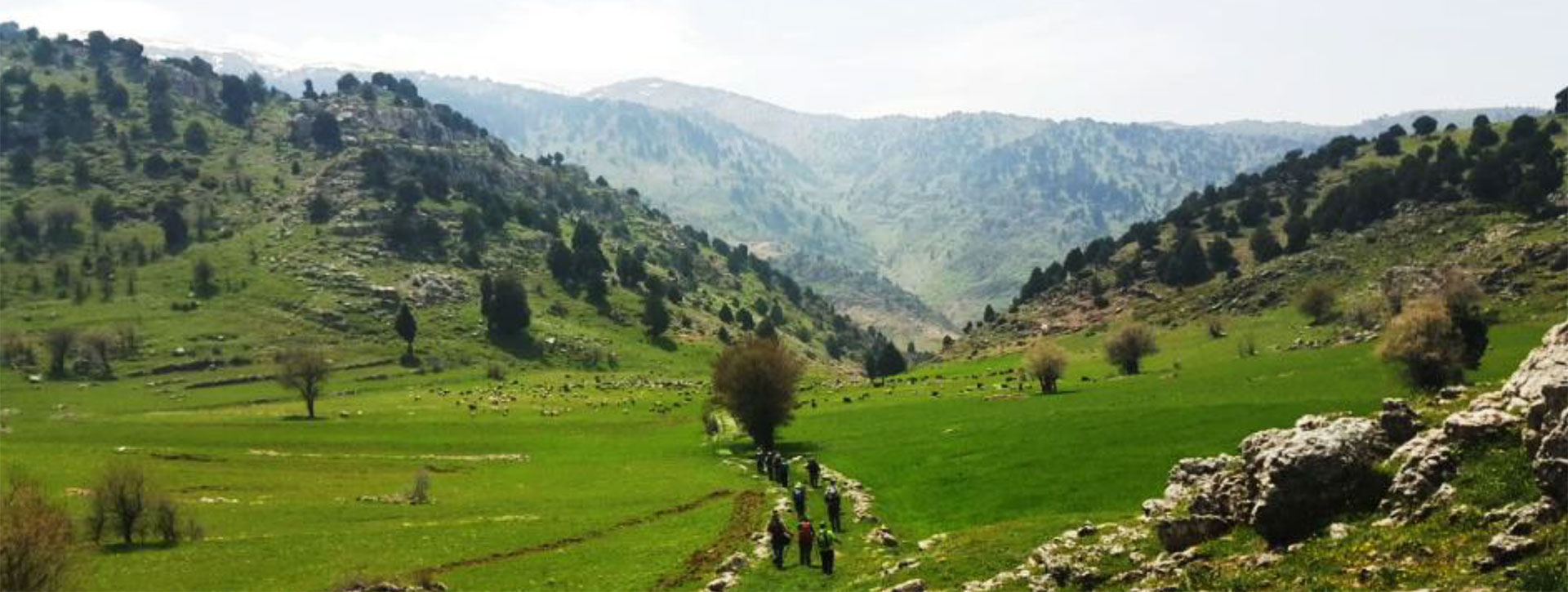
The Lebanon Mountain Trail spans 450km of our country’s most breathtaking landscapes, connecting over 76 villages and centuries of cultural heritage. Yet, the trail faces constant challenges and threats and requires official legal protection and accurate cadastral mapping.
Our Ultimate Goal
To establish the LMT as a legally recognized and protected corridor that belongs to the heritage of the Lebanese people, ensuring safe and obstruction free access for all, forever.
The Challenges we currently face
Currently, much of the LMT crosses through unregistered or privately owned lands. This lack of legal clarity has created a “moving target” for conservation, leading to:
- Fragmentation: Landowners frequently fence off sections, forcing hikers into less scenic detours (sometimes on asphalted road sections).
- Environmental Degradation: Illegal quarries, tree cutting, and unauthorized garbage dumping are scarring the natural beauty of the trail.
- Infrastructure Encroachment: Road widening, building construction, and excavations are physically erasing ancient footpaths.
Our Vision: Securing the Trail for Generations
We have a three-pillar strategy to to ensure long term sustainability of the LMT through focused advocacy efforts:
- Cadastral Mapping of the LMT: Delineate public & private land
- Push for the legislation of a Mountain Protection Law
- Push for a decree to protect the trail itself within a legal framework through advocacy
Why Your Support Matters
Securing the LMT is an investment in Lebanon’s rural economy, its environmental resilience, and its national identity.
Subscribe here to receive the yearly LMTA magazine and periodic Newsletters.